UNIVERSITY PROJECT | 2021
Autism's Personal Organized Guardian
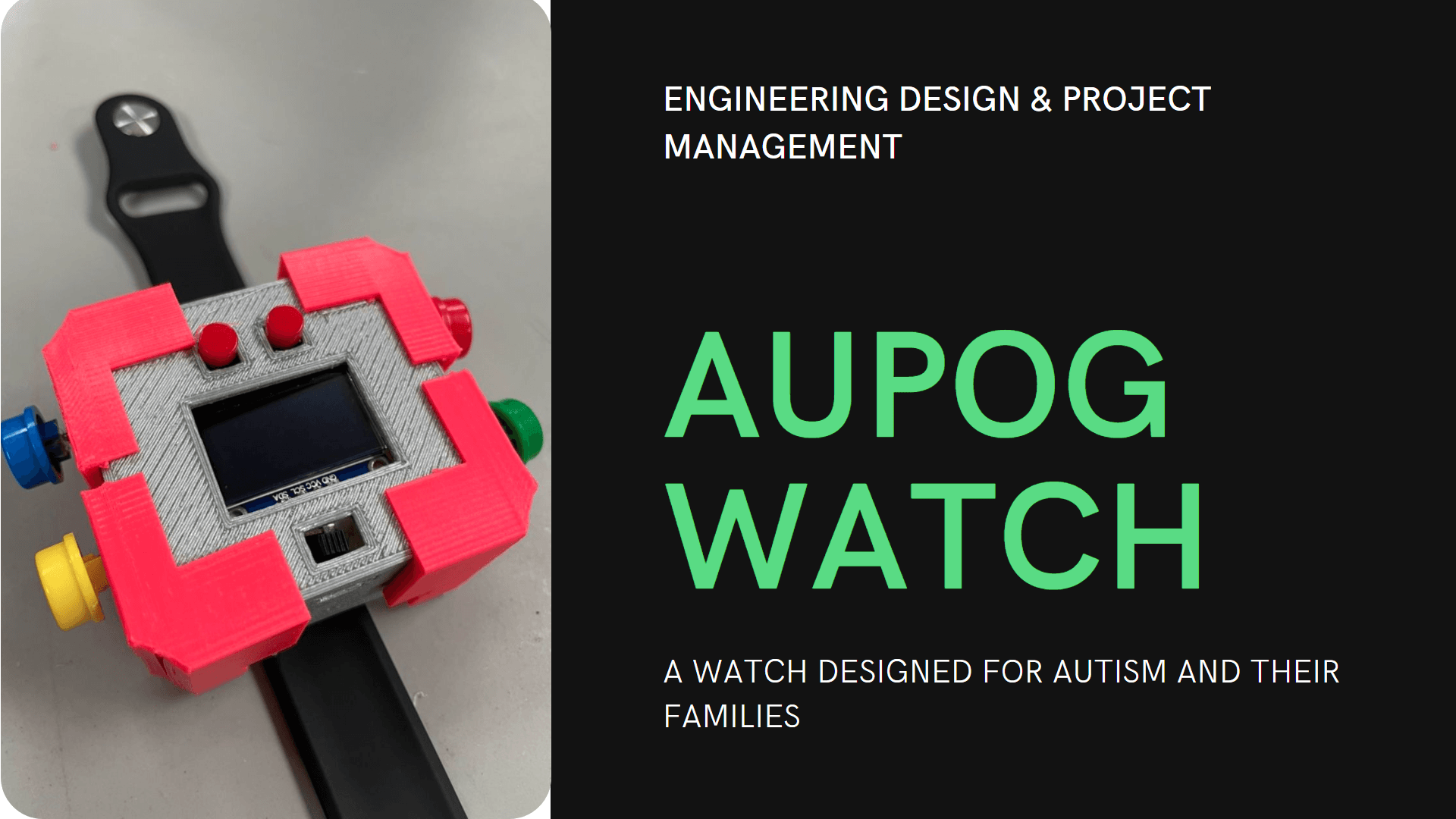
A prototype wearable device built for children with autism — continuously tracking heart rate and motion, and relaying the data wirelessly to a parent-facing monitoring interface in real time, at a fraction of the cost of existing commercial solutions.
OVERVIEW
IMPLEMENTATION
TECH STACK
Microcontroller
Arduino
Sensors
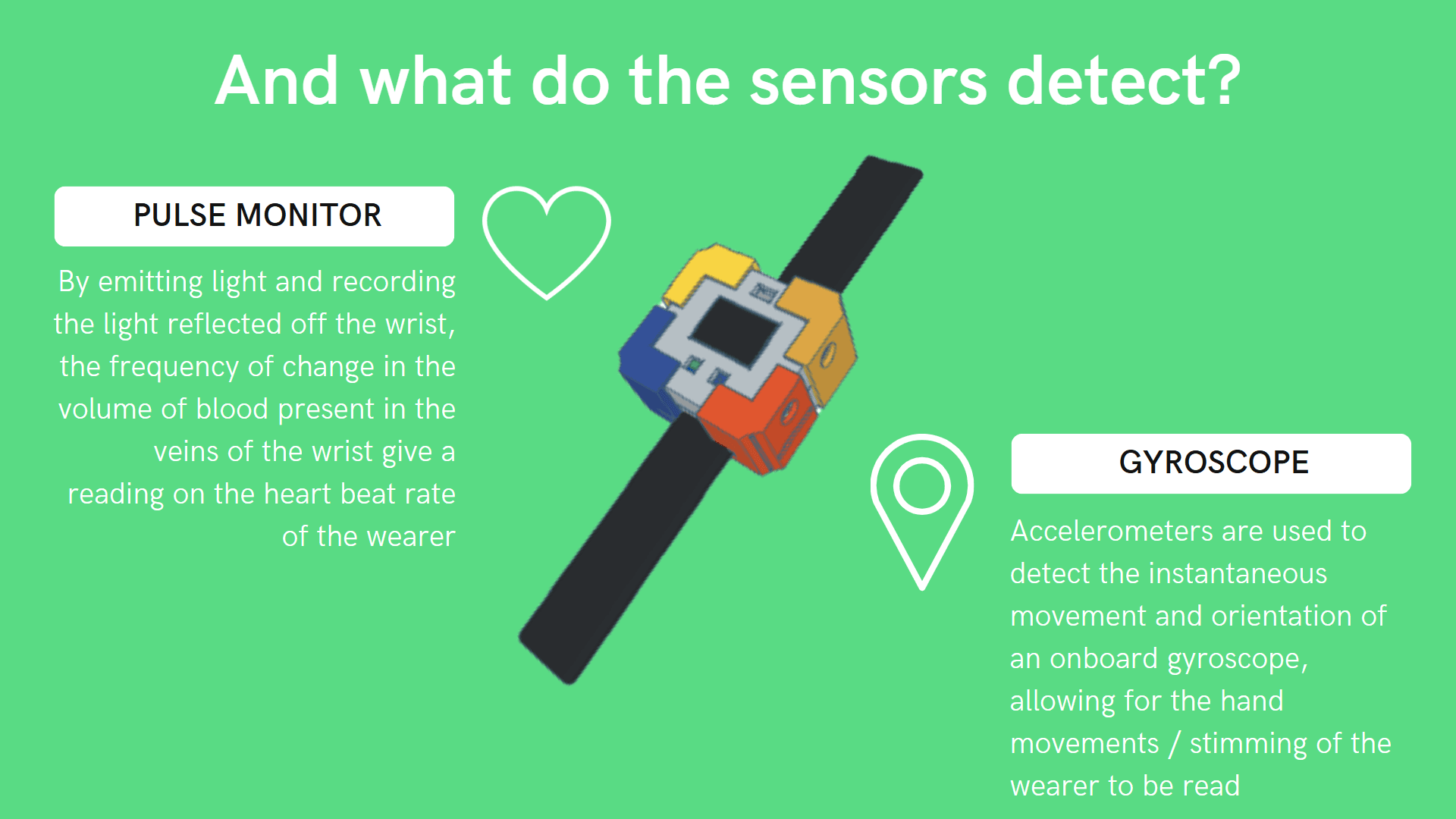
MPU 6050 (Gyroscope / Accelerometer), XD68C (Pulse Sensor)
Communication
HC-05 Bluetooth Module
FEATURES
Real-time heart rate monitoring via XD68C pulse sensor
Motion and activity tracking via MPU 6050 gyroscope and accelerometer
Wireless Bluetooth data transmission to a companion parent monitoring interface
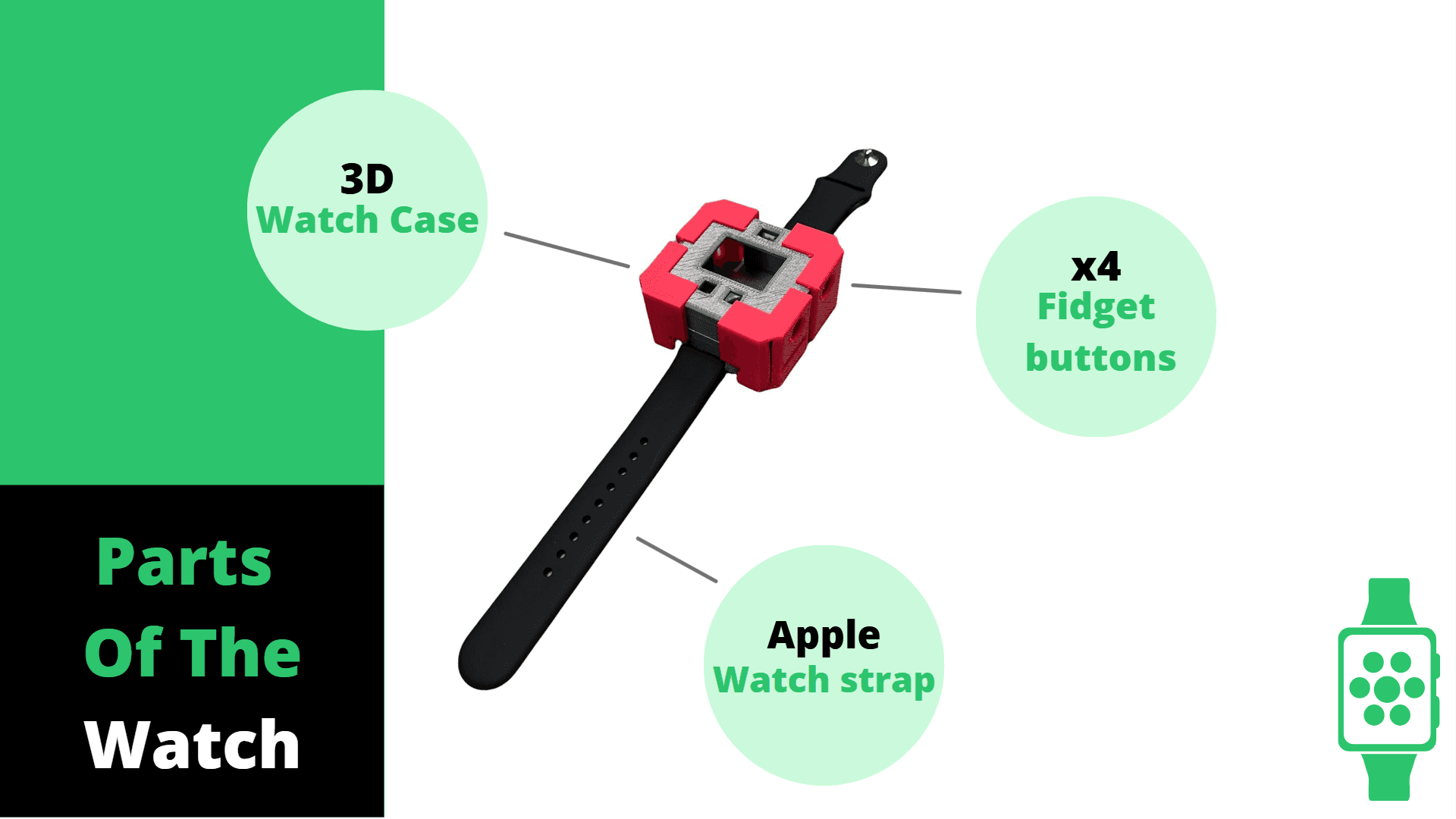
Wearable form factor designed for comfort during continuous use
Affordable hardware design as an alternative to commercial monitoring products
Remote health status visibility for parents and caregivers
CHALLENGES & SOLUTIONS
RM200 budget constraint
Worked within a strict RM200 budget by selecting widely available, low-cost off-the-shelf components — the MPU 6050, XD68C pulse sensor, and HC-05 Bluetooth module — each costing under a few ringgit individually. This kept the total hardware cost well within budget while covering all required sensing and communication functions.
Sensor integration and signal accuracy
Configured the MPU 6050 over I2C and the XD68C over analogue input, tuning sampling rates and applying noise filtering to produce stable, continuous readings suitable for a child in active movement.
Reliable wireless data transmission
Paired the Arduino with an HC-05 Bluetooth module to relay live sensor data from the wearable unit to the companion monitoring interface, ensuring parents receive up-to-date health readings in real time.
Wearable form factor constraints
Kept the hardware footprint minimal — compact component layout and managed wiring — to reduce the physical bulk and weight of the wearable, an important consideration for autistic children who are often sensitive to unfamiliar tactile sensations.